HR Setup Guide for Startups That Scale
Your first ten hires can feel manageable with Slack messages, a shared drive, and a founder who knows everyone personally. By employee fifteen or twenty, that same approach starts creating risk, inconsistency, and wasted time. An HR setup guide for startups matters most at this point, when growth begins to outpace memory and good intentions.

The goal is not to build a corporate HR department too early. It is to put the right structure in place so hiring, management, compliance, and culture can keep up with the business you are trying to build.
What an HR setup guide for startups should actually solve
Founders often think HR starts with a handbook and a payroll system. Those are part of it, but the real job is broader. Good HR setup gives your company a repeatable way to hire, onboard, manage performance, address issues, and stay compliant without reinventing the process every time.
That structure protects the business, but it also helps employees trust what kind of company they joined. When expectations are clear and decisions are consistent, people spend less energy guessing and more energy doing the work.
For most startups, the biggest mistake is waiting until there is a problem. A termination, a pay complaint, a manager issue, or a compliance notice tends to expose how thin the foundation really is.
Start with risk, not paperwork
If you are building HR from scratch, start by identifying where the business is exposed today. That usually means worker classification, wage and hour practices, offer letters, I-9s, payroll setup, required postings, and documentation of basic employment policies.
Some startups lean heavily on contractors early on. That can be appropriate, but only if the arrangement is legally sound. Misclassification can become expensive quickly, especially if someone is functioning like an employee in practice.
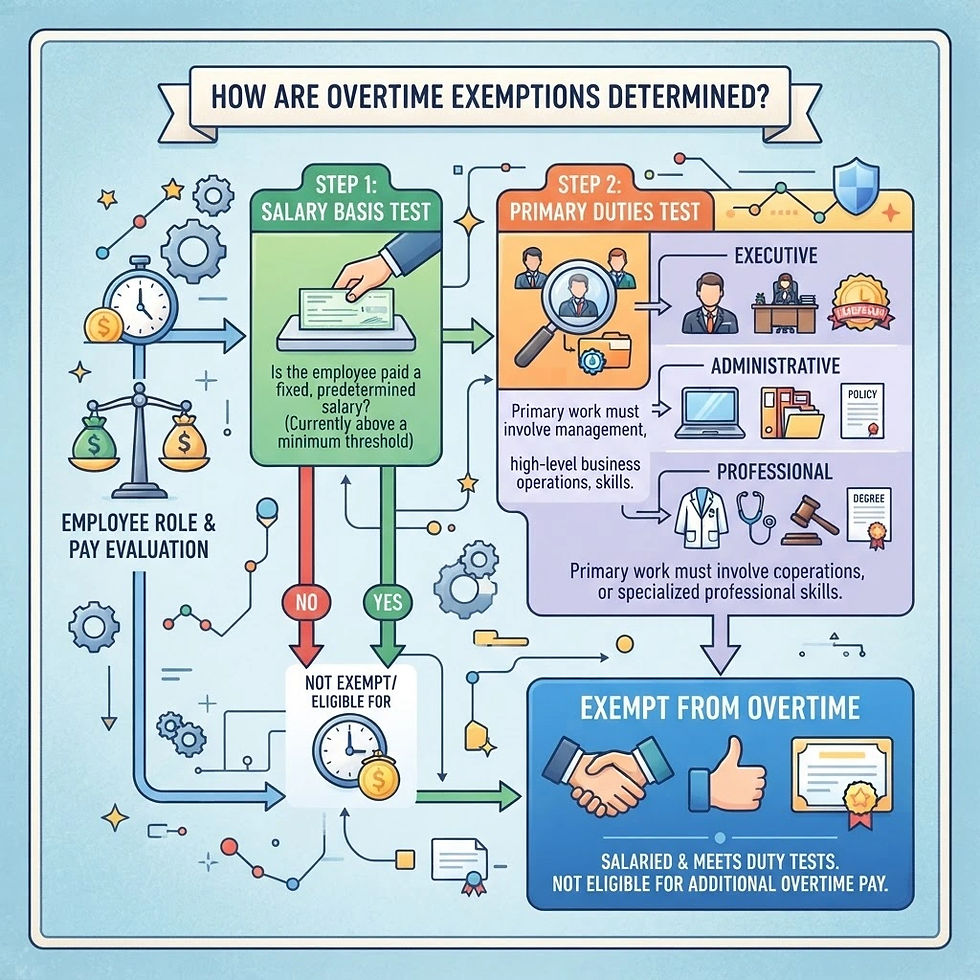
Pay practices deserve similar attention. Exempt versus nonexempt classification, timekeeping, overtime, meal and rest break rules where applicable, and reimbursement practices all need a clean review. Fast-growing companies often copy what another startup did, which is not a strategy.
This is also the point to confirm who owns HR responsibilities internally. If nobody clearly owns onboarding, employee documentation, policy updates, and manager support, those tasks will drift until something breaks.
Build the core HR systems early
A startup does not need every HR tool on the market. It does need a few core systems that work well together. Payroll, benefits administration, time tracking if needed, document storage, and an applicant tracking process are usually the essentials.
Keep the stack simple. The more disconnected systems you have, the more manual work and errors you create. It is better to have a clean basic process than a patchwork of software nobody fully uses.
Document management matters more than many founders expect. You need a secure, organized way to store offer letters, tax forms, I-9s, handbook acknowledgments, performance notes, and separation documents. If records live across inboxes and desktops, you do not really have a system.
The same applies to employee data. Job titles, compensation history, reporting relationships, and status changes should be easy to locate and confirm. That information becomes critical when you are making pay decisions, handling disputes, or preparing for audits.
Policies should support the business, not slow it down
A handbook is still one of the most useful tools in any HR setup guide for startups, but only if it matches how the company actually operates. Generic templates can create as many issues as they solve when they promise practices you do not follow or miss requirements that apply to your workforce.
At minimum, your policies should address attendance, timekeeping, paid time off, standards of conduct, anti-harassment, complaint reporting, use of company property, remote work expectations if applicable, and basic leave information. Depending on your state and industry, you may need more.
Do not treat the handbook as a legal exercise only. It is also a management tool. Good policies help leaders respond consistently, especially when they are new to supervising people.
That said, not every company needs a thick policy manual on day one. The right level of detail depends on size, industry, workforce risk, and management maturity. A 12-person software startup and a 40-person field service company will not need the same level of structure.
Hiring needs process before volume
Many startups focus on filling roles fast, then wonder why turnover shows up six months later. Hiring should start with role clarity. If the job, reporting line, success measures, and compensation range are fuzzy, your hiring process will be too.
Each role should have a written job description that reflects the actual work and essential functions. This is not just for recruiting. It supports compensation decisions, onboarding, performance management, and in some cases disability accommodation discussions.
Interviewing should also be more structured than most early-stage companies expect. You do not need a bloated process, but you do need consistent questions, defined decision-makers, and basic interviewer training. That lowers bias, improves candidate evaluation, and reduces legal risk.
Offer letters are another point where startups often cut corners. A clear offer letter should define title, reporting relationship, compensation, exempt status where applicable, start date, and key employment terms. Ambiguity in offers tends to resurface later as conflict.
Onboarding is where culture becomes real
A strong onboarding process is one of the fastest ways to improve retention and manager effectiveness. It should not stop at sending forms before day one. New employees need a structured introduction to the company, the role, the team, and the standards they will be held to.
This is where startups often overestimate how much new hires can absorb informally. Founders assume people will figure it out by being around smart teammates. Sometimes they do. Often they do not, and the result is slower ramp-up, inconsistent training, and frustration on both sides.
Effective onboarding includes practical basics such as equipment, system access, payroll setup, and required documents. It also includes clear 30-, 60-, and 90-day expectations, regular check-ins, and ownership by the manager, not just operations or HR.
When onboarding is disciplined, culture becomes easier to scale. Employees learn what good performance looks like, how decisions get made, and where to raise concerns.
Managers need more support than founders expect
One of the biggest HR breakdowns in startups is not policy. It is untrained managers. A high performer becomes a manager, then suddenly has to handle feedback, documentation, conflict, pay conversations, and employee issues without any real guidance.
That creates inconsistency fast. One manager is direct, one avoids problems, and one improvises policy. Employees notice the difference immediately.
Even a lightweight manager framework can make a major difference. Managers should understand how to document performance concerns, when to involve HR, how to respond to complaints, how to conduct one-on-ones, and how to apply policies consistently.
This is also where performance management should begin. You do not need a complex rating system, but you do need clear expectations, regular feedback, and a process for addressing underperformance before it becomes a termination decision made in frustration.
Compliance changes as you grow
The right HR structure at 12 employees may not be enough at 30 or 50. As your headcount grows, your obligations expand. Benefits administration gets more complex, leave requirements may change, and employee relations issues usually become more frequent.
Multi-state hiring adds another layer. Tax registration, wage notices, leave laws, final pay rules, and handbook language can shift quickly once you employ people in more than one state. This is where startups often realize their early DIY setup no longer fits.
Growth also changes your documentation needs. Promotions, compensation changes, investigations, accommodations, corrective action, and terminations all require more discipline when the organization becomes less founder-led and more manager-led.
When fractional HR makes more sense than full-time hiring
Many startups reach a stage where they need senior HR judgment but do not yet need a full-time HR executive. That gap is where fractional support can work especially well. You get experienced leadership for compliance, employee relations, onboarding, performance management, and documentation without carrying the overhead of a full department.
The key is continuity. Startups benefit most when one HR leader learns the business, understands the culture, and stays close to the management team. HR works better when it is embedded in decisions, not called in after the fact.
For companies in Minnesota, Wisconsin, or Iowa, this can be particularly useful when local growth is happening fast but internal infrastructure is still catching up. The point is not to add bureaucracy. It is to add judgment, consistency, and follow-through.
A startup HR foundation should feel practical
If your HR setup feels heavy, it is probably not right for your stage. If it feels nonexistent, that is a problem too. The best startup HR approach sits in the middle. It gives the business enough structure to reduce risk and support growth, without layering on process that nobody will maintain.
Start with the basics that carry the most weight: compliant employment practices, a clean hiring process, documented policies, strong onboarding, and manager support. Then build from there as the company becomes more complex.
Good HR setup does not just protect the business on paper. It makes growth easier because leaders are not stopping every week to solve the same people problems from scratch.
Ready to build a stronger, more compliant business without the headaches? As a Minneapolis-based firm serving small businesses since 2003, HR Business Partners, Inc. provides the hands-on, strategic HR support you need. Schedule your free consultation today at https://www.hrbponline.com/contact-us