Small Business Hiring Checklist for Growth
A rushed hire rarely stays contained to one bad decision. It can drain manager time, disrupt a productive team, create performance issues, and expose the business to avoidable risk. A disciplined small business hiring checklist gives leaders a repeatable way to make sound decisions before an offer is ever made.

For businesses with 10 to 75 employees, hiring is not an administrative event. Every new person changes capacity, culture, payroll, management demands, and the company’s ability to serve customers. The goal is not simply to fill an open seat quickly. It is to hire someone who can succeed in a clearly defined role and strengthen the business as it grows.
Start With the Business Need, Not the Job Posting
Before writing a job description, define why this role exists now. Is the work creating a revenue bottleneck, pulling a key manager away from higher-value responsibilities, or exposing the business to quality and customer-service issues? A clear business case prevents companies from hiring around a temporary frustration.
Decide whether the need is truly full-time, part-time, temporary, seasonal, or best handled by an outside provider. A full-time employee brings continuity and ownership, but also ongoing compensation, benefits, training, supervision, and compliance obligations. The right answer depends on the work volume and the level of responsibility the business needs to retain internally.
Clarify What Success Looks Like
A useful job description does more than list duties. It explains the outcomes the employee must deliver in the first 90 days and over the first year. For example, an operations coordinator may need to reduce order errors, improve scheduling accuracy, and give leadership reliable weekly information.
Define the nonnegotiable skills separately from preferences. Small businesses often lose strong candidates by treating every wish-list item as mandatory, then extend the search while the real business problem continues. Focus on the capabilities that directly affect performance in the role.
Build a Compliant Hiring Foundation
Hiring decisions should be consistent, documented, and connected to legitimate business requirements. That structure protects the company and makes it easier for managers to explain why one candidate was selected over another.
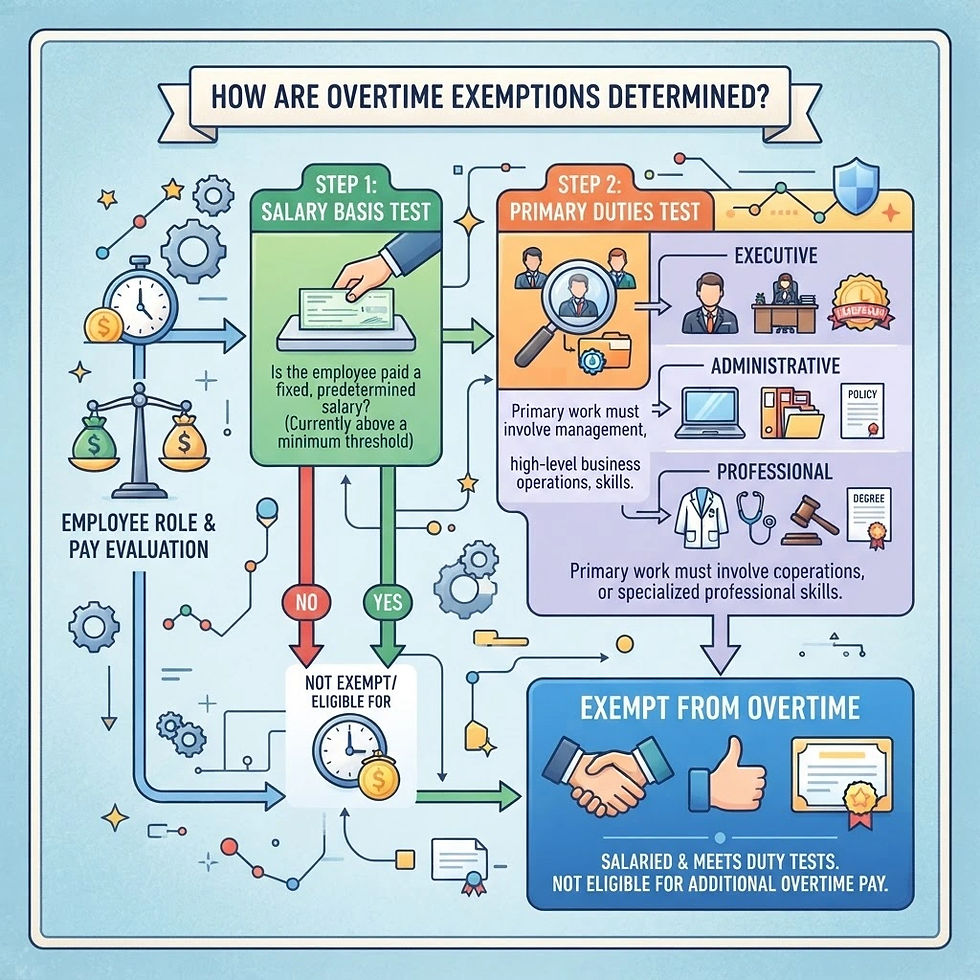
Review the job title, pay range, exempt or nonexempt classification, work schedule, reporting relationship, and physical or remote-work expectations before advertising the position. Classification errors and vague expectations can create expensive problems after the employee starts, when they are harder to correct.
Your job posting should state the essential functions of the role in clear language. Avoid wording that could unintentionally discourage qualified applicants based on protected characteristics, and do not rely on informal descriptions such as “young, energetic” or “native English speaker” when the actual need is communication ability or a specific job function.
For Minnesota, Wisconsin, and Iowa employers, multi-state operations can add another layer of complexity. Pay disclosure requirements, leave rules, background-check processes, and required notices may differ depending on where the employee performs work. A hiring process that worked years ago may not meet current expectations.
Use This Small Business Hiring Checklist Before You Recruit
A checklist creates a decision trail and keeps hiring from becoming a string of disconnected emails and gut reactions. Before posting the position, confirm that the team has completed the following:
Written a current job description with essential functions, measurable outcomes, and required qualifications.
Confirmed the compensation range, employee classification, work location, schedule, and manager responsible for the role.
Established a consistent interview process, including interviewers, questions, scoring criteria, and decision authority.
Reviewed the application, screening, background-check, and reference-check process for compliance and consistency.
Prepared an offer letter, onboarding plan, required payroll documents, and first-week training schedule.
Determined how the company will communicate with candidates who are not selected and retain hiring records.
This work may feel slow when the business needs help immediately. In practice, it reduces delays because managers are not debating basic terms midway through the search or changing expectations after candidates have already applied.
Recruit for Fit With the Work, Not Familiarity
Many small businesses hire from their personal networks because it feels faster and safer. Referrals can be valuable, but familiarity should not replace a structured assessment. The strongest candidate is not always the person who knows the owner, interviews comfortably, or shares the team’s hobbies.
Use the same core screening questions for every qualified applicant. Ask for specific examples of comparable work, the decisions they made, the results they achieved, and how they handled setbacks. Past behavior does not guarantee future performance, but it is far more useful than broad claims about being hardworking or a team player.
Be realistic about the role’s environment. A candidate who thrives in a large company with specialized departments may need support to succeed in a small business where priorities shift quickly and resources are limited. That does not make them the wrong hire, but it does make honest conversations about autonomy, pace, and accountability essential.
Interview for Judgment and Reliability
A good interview examines how a person thinks, not just how well they present themselves. Use job-related scenarios that reflect the actual work. If the role includes managing customer issues, ask the candidate to walk through a difficult customer situation, what they did first, and what they would do differently now.
Assign interview responsibilities in advance. One manager can evaluate technical skill, another can assess communication and collaboration, and the final decision-maker can focus on alignment with business priorities. Without this discipline, interviewers often repeat the same questions and leave critical areas unexplored.
Take notes tied to the established criteria. Comments such as “great personality” or “not our type” are neither useful nor defensible. Specific observations help leaders compare candidates fairly and create a better record of the decision.
Verify Before You Make an Offer
Reference checks are most useful when they verify the qualities that matter in the role. Ask former supervisors about the candidate’s scope of responsibility, reliability, communication, ability to accept feedback, and results. Keep questions job-related and apply the same process consistently.
If the role requires a background check, use a compliant process and understand the timing and notice requirements that apply. Do not treat a screening report as an automatic answer. The relevance of information, the nature of the position, and applicable law all matter.
The offer itself should be clear and complete. State the job title, manager, start date, compensation, exempt or nonexempt status, benefit eligibility, and any conditions of employment. Verbal promises about flexibility, bonuses, remote work, or future advancement can become misunderstandings unless they are addressed appropriately in writing.
Make Onboarding Part of the Hiring Decision
The hiring process is not finished when the candidate accepts. A new employee who arrives without equipment, payroll setup, training, access to systems, or a clear manager can question their decision within the first few days.
Prepare for day one before the offer is accepted whenever possible. Assign ownership for payroll paperwork, technology access, workplace policies, introductions, initial training, and the employee’s first priorities. These details signal that the company is organized and that the new hire’s contribution matters.
Schedule 30-, 60-, and 90-day check-ins focused on expectations, progress, obstacles, and support. This is where many small businesses regain the time they invested in hiring. Early feedback can correct a misunderstanding before it becomes a performance issue or an unexpected resignation.
Keep the Process Current as You Grow
A hiring process should evolve with the company. The informal approach that works at 12 employees can become inconsistent at 35, especially when several managers are interviewing, compensation decisions are less centralized, and employee relations risks increase.
Review your process after each hire. Look at where candidates dropped out, what managers found unclear, how long approvals took, and whether the new employee met the expectations set during recruitment. That review turns hiring from a reactive task into a business system that supports growth.
The best hiring decisions come from preparation, not instinct alone. Ready to build a stronger, more compliant business without the headaches? As a Minneapolis-based firm serving small businesses since 2003, HR Business Partners, Inc. provides the hands-on, strategic HR support you need. Schedule your free consultation today.