How to Fix Unrealistic Expectations at Work
A Monday priority can become a Friday disappointment when no one has defined the work, resources, authority, or timeline required to complete it. Unrealistic expectations at work rarely begin with bad intent. They usually begin when a growing company moves faster than its operating structure.
For owners and operations leaders, this creates a costly pattern: people work harder, managers become frustrated, deadlines slip anyway, and strong employees start questioning whether the business is a place where they can succeed. The issue is not simply workload. It is the gap between what leadership expects and what the organization has actually made possible.
Why Unrealistic Expectations at Work Become a Business Risk
In a company with 10 to 75 employees, one unclear priority can affect an entire team. A sales commitment may create pressure on operations, operations may ask more of an already stretched employee, and a manager may be left trying to solve the issue without the authority to change the deadline or add support.
When this happens repeatedly, employees do not just see a busy period. They see a system that promises results without planning for the work. That damages confidence in leadership and makes performance conversations more difficult.
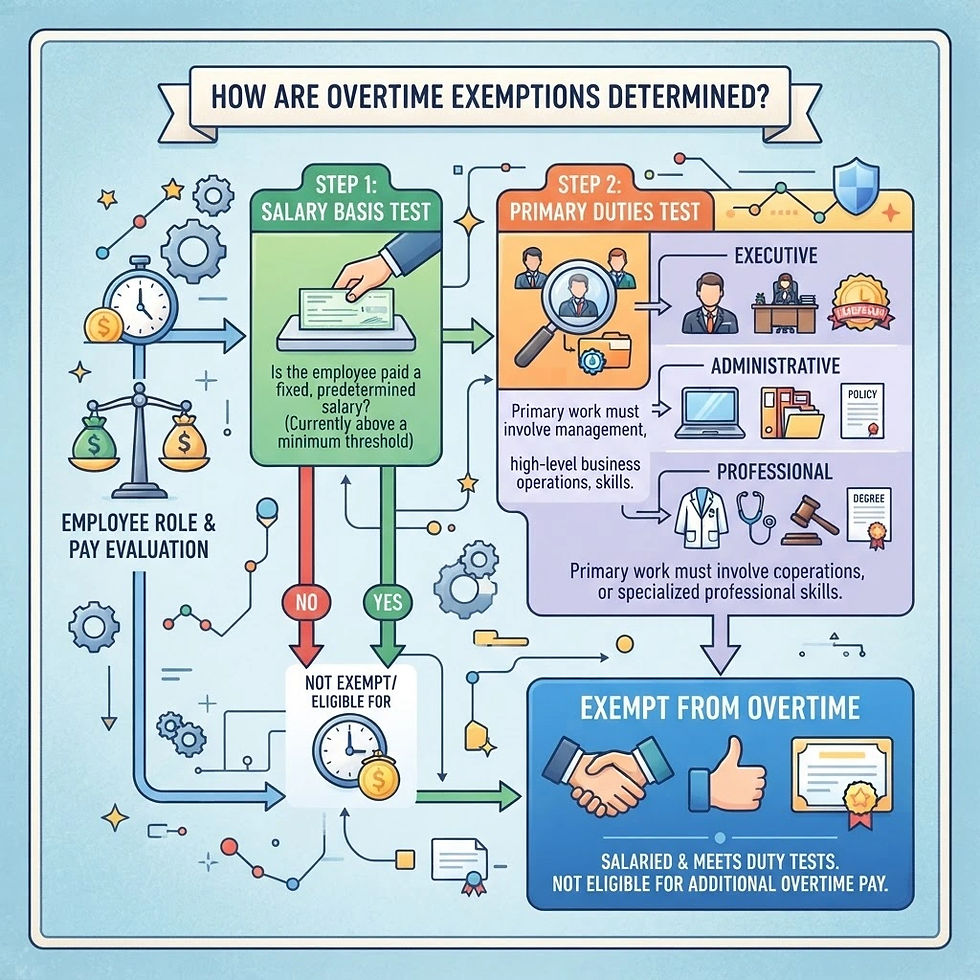
Unrealistic expectations can also create legal and compliance exposure. Asking exempt employees to consistently work excessive hours, overlooking meal and break requirements, or tolerating off-the-clock work can turn a capacity problem into a wage-and-hour issue.
The business cost is equally real. Burnout increases turnover, turnover slows delivery, and turnover forces managers to spend more time recruiting and training instead of improving the business. For small and midsized companies, the loss of one dependable employee can disrupt customer relationships and team stability for months.
The Difference Between a Stretch Goal and an Unreasonable Demand
Not every challenging goal is unrealistic. Healthy businesses need ambitious targets, especially when they are expanding into a new market, launching a service, or responding to a major client opportunity.
A stretch goal has a clear business purpose, visible trade-offs, and active leadership support. People understand why the work matters, what will be deprioritized, and how progress will be measured.
An unreasonable demand is different. It treats every request as urgent, assumes capacity exists without checking, and makes individuals responsible for solving problems that require leadership decisions.
For example, asking a marketing coordinator to support a product launch may be a reasonable stretch assignment if their existing workload is adjusted and they receive clear direction. Asking that same person to launch a campaign, maintain every regular responsibility, cover a departing colleague's work, and produce results immediately is not a development opportunity. It is a planning failure.
Warning Signs Leaders Should Not Ignore
Watch for teams that regularly say yes but miss deadlines, employees who avoid taking time off, and managers who cannot explain what work can wait. These are often signs that workload and priorities are not aligned.
Other warning signs include frequent “emergencies,” recurring weekend work, unclear decision-making, and performance concerns that appear across several otherwise capable employees. If multiple people are struggling in the same way, the problem is likely not individual effort.
Exit interviews and informal conversations can reveal this pattern too. Employees may not use the phrase “unrealistic expectations,” but comments such as “nothing was ever enough” or “priorities changed every day” point to the same underlying issue.
Start With Capacity, Not Optimism
Growing companies are often built by people who are willing to do whatever it takes. That determination is valuable, but it cannot be the company’s staffing model.
Before assigning a major project, leaders should ask a practical question: What work will stop, move, or receive less attention so this can happen? If there is no answer, the assignment is probably being added to an already full workload.
Capacity planning does not need to be complicated. A manager can begin by reviewing each team member’s core responsibilities, current deadlines, available skills, and estimated time required for new work.
The point is not to account for every minute. The point is to identify whether the team has enough people, time, and authority to deliver the expected result without relying on constant overtime or hidden sacrifices.
This conversation should also include dependencies. A project may look manageable on paper, but it can stall if the employee needs approvals from a founder, input from a client, data from finance, or help from a department that is already overloaded.
Make Priorities Visible and Defensible
Employees can handle a demanding week when they know what matters most. They struggle when every request arrives with the same level of urgency.
Leadership should establish a simple process for ranking work. The organization does not need a complicated project management system to answer three basic questions: What must be completed now, what can wait, and who has the final authority to make that call?
Managers need permission to push back when a new request conflicts with established priorities. Without that permission, they often pass the pressure down to employees and expect them to resolve competing demands on their own.
It also helps to distinguish between a true client emergency and poor internal planning. Treating routine requests as emergencies trains the company to operate reactively, which eventually makes actual emergencies harder to manage.
Use Clear Expectations in Performance Conversations
Performance management works only when employees know what good performance looks like. Vague instructions such as “be more proactive,” “move faster,” or “take more ownership” are not enough on their own.
Set expectations around deliverables, timing, decision rights, and communication. If a manager expects a weekly report, define what information belongs in it, who needs it, and what deadline allows the report to be useful.
When expectations change, say so directly. Employees should not be penalized for following a plan that leadership revised without communicating.
Managers should also document significant changes in priorities, workload, and performance expectations. This protects the business, supports fair accountability, and gives employees a reliable reference point when work becomes complicated.
Train Managers to Have Honest Workload Conversations
Many managers were promoted because they are strong individual contributors, not because they have been taught how to lead capacity conversations. As a result, they may avoid difficult discussions until an employee misses a deadline or shows signs of burnout.
A better approach is to make workload review part of regular one-on-ones. Managers can ask what is taking the most time, where an employee is blocked, what deadlines are at risk, and what support would make the greatest difference.
These conversations should not become an open-ended complaint session. Their purpose is to identify choices leadership needs to make: shift work, clarify ownership, change a deadline, add resources, or accept that a lower-priority task will not be completed this week.
The trade-off matters. Not every deadline can move, and not every project can receive more staffing. But leaders should make the trade-off explicitly rather than asking employees to absorb it silently.
Build Structure Before Pressure Becomes Turnover
Policies, job descriptions, onboarding plans, and manager training may sound separate from workload problems. In practice, they are part of the same foundation.
A current job description helps define what belongs in a role. A clear onboarding process prevents new hires from starting without direction. Consistent performance practices help managers address gaps fairly instead of letting frustration build.
This is where fractional HR leadership can be a practical option for a growing business. Understanding fractional HR cost helps owners compare the expense of experienced HR guidance with the financial and operational cost of turnover, inconsistent management, and avoidable compliance mistakes.
An embedded HR partner can help leadership translate business goals into role expectations, manager tools, performance processes, and policies that employees can actually follow. That support is especially valuable when the owner has been making people decisions by instinct and needs a more scalable approach.
What to Do When Expectations Have Already Broken Down
If employees are already frustrated, start by acknowledging the issue without becoming defensive. A leader does not need to promise that work will suddenly become easy. They do need to show that the company is willing to make clearer decisions.
Review the work currently assigned, identify the most urgent business priorities, and remove or delay what does not support them. Then communicate the reasoning to managers and employees so they understand what changed and why.
Next, address the management habits that created the problem. That may mean setting approval timelines, clarifying who owns decisions, holding weekly priority meetings, or coaching managers who repeatedly overload their teams.
The goal is not to eliminate accountability or lower standards. It is to create conditions where people can meet high standards through clear direction, reasonable planning, and consistent support.
A growing company earns trust when employees see that leadership will make hard choices instead of asking the team to carry every competing priority. That is how ambitious goals become credible - and how strong employees decide they want to stay.
Contact HR Business Partners, a Minneapolis, MN-based HR Consulting firm specializing in HR Outsourcing Services / Fractional HR services, today to discuss your individual HR needs.