Guide to HR Support Retainer for Small Businesses
A difficult termination lands on a founder’s desk. A new manager needs help documenting performance concerns. The employee handbook has not been reviewed in years. These are the moments when a guide to HR support retainer becomes practical, not theoretical.

For a growing business with 10 to 75 employees, HR cannot remain an occasional task assigned to an owner, office manager, or finance leader. An HR support retainer provides consistent access to senior HR leadership without adding a full-time HR director before the business is ready.
What an HR Support Retainer Actually Provides
An HR support retainer is an ongoing agreement for dedicated HR expertise and execution. Rather than calling a consultant only after a problem occurs, your company reserves a defined level of support each month or week for both strategic priorities and day-to-day HR needs.
That distinction matters. Reactive HR consulting can solve an immediate issue, but it often leaves the underlying process unchanged. A retainer gives your business a partner who learns your team, understands your operating rhythm, and builds systems that reduce repeat problems.
For many small and mid-sized companies, support might include employee relations guidance, manager coaching, compliant policies, onboarding, performance management, compensation conversations, and offboarding. The exact mix should reflect where the business is growing and where its risk is concentrated.
A quality retainer is not an outsourced inbox that sends generic templates. It should feel like having an experienced HR leader in the room when a people decision affects compliance, culture, operations, or revenue.
Guide to HR Support Retainer: Start With Business Needs
The right retainer begins with an honest assessment of what is happening inside the company. If hiring has accelerated, the immediate need may be structured recruiting, interview practices, offer letters, and onboarding. If managers are struggling with accountability, the priority may be clear job expectations, documentation, and performance conversations.
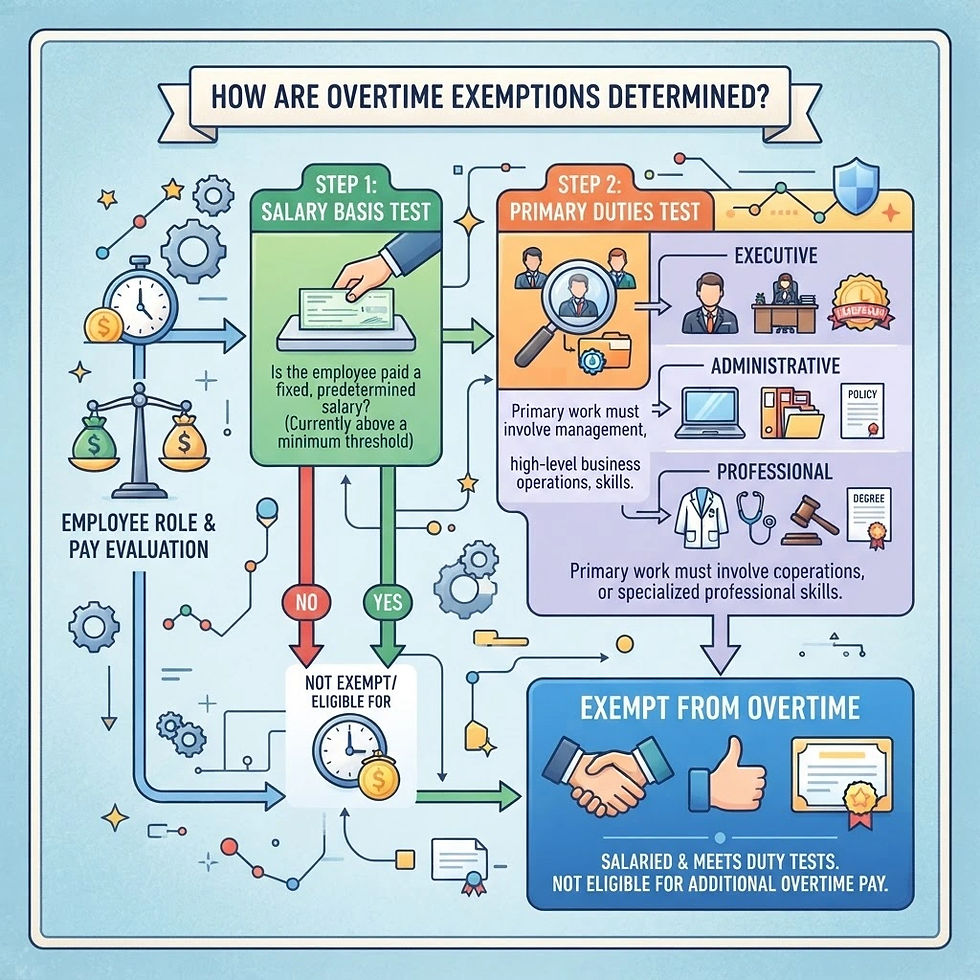
For another business, the most urgent issue may be foundational compliance. An outdated handbook, inconsistent leave practices, unclear payroll classifications, or informal termination decisions can create unnecessary exposure. Fixing those gaps early is usually less disruptive and less expensive than responding after an employee complaint or claim.
Think beyond the crisis in front of you. Ask what will put pressure on the organization over the next six to twelve months: a new location, a hiring push, a leadership transition, a reduction in force, or the first layer of middle management. Your retainer should create capacity for those changes before they become fire drills.
Define Scope Without Treating HR as a Menu
A strong HR retainer has clear expectations, but it should not be so rigid that it fails when business conditions change. Agree on the number of hours, primary contacts, response expectations, meeting cadence, and the priorities for the first quarter.
Ten hours per week is often a productive starting point for a company that needs real HR leadership and hands-on execution. It is enough time to make progress on foundational projects while remaining available when a manager needs timely guidance.
The scope should distinguish ongoing work from one-time projects. Ongoing work may include leadership meetings, manager support, employee relations, compliance monitoring, and regular policy administration. One-time work may include rebuilding a handbook, implementing a performance review process, conducting a workplace investigation, or supporting a significant organizational change.
This is not about nickel-and-diming every HR question. It is about ensuring the relationship has enough capacity to deliver outcomes instead of spending every hour reacting to the latest issue.
Look for Senior Judgment, Not Just Administrative Coverage
Administrative HR support has value, especially when payroll changes, benefits questions, and employee records consume time. But businesses at this stage usually need more than administration. They need someone who can advise a CEO through a sensitive termination, help a manager address poor performance, and recognize when a seemingly simple request carries legal or cultural risk.
Ask who will actually perform the work. Will you have a dedicated senior partner who knows your business, or will work rotate among unfamiliar consultants? Consistency is especially important in employee relations, where context, past decisions, and leadership dynamics shape the right response.
Experience should also show up in the questions your HR partner asks. A capable partner will not simply draft a warning notice because a manager requested one. They will ask what expectations were communicated, whether similar situations have been handled consistently, what documentation exists, and what the business wants to achieve.
That level of judgment protects the company while helping leaders make fair, defensible decisions.
Measure Value in Business Terms
An HR retainer should not be judged only by the number of emails answered or documents produced. Those activities matter, but the larger value is a more stable, scalable organization.
Look for evidence that managers are handling issues earlier, hiring is more organized, onboarding is more consistent, and employee expectations are clearer. You may also see fewer last-minute compliance concerns, less owner involvement in routine people problems, and better documentation when difficult decisions arise.
The right metrics depend on the company. A service business dealing with turnover may focus on retention and manager effectiveness. A growing professional services firm may prioritize hiring speed, role clarity, and a stronger onboarding experience. A manufacturer may need reliable attendance practices, safety coordination, and consistent discipline.
The financial comparison should be equally practical. Review fractional HR cost against the cost of a full-time HR leader, while also considering the cost of delayed action, manager distraction, preventable turnover, and compliance mistakes.
Build a Productive Working Rhythm
Retainers work best when HR is connected to the business, not brought in after decisions are already made. A regular leadership meeting gives your HR partner visibility into hiring plans, performance concerns, organizational changes, and upcoming decisions that affect employees.
Managers also need a clear path for seeking support. They should know when to handle an issue directly, when to involve their leader, and when HR should be included before a conversation happens. This avoids the common pattern of calling HR only after an employee has already escalated a concern.
Be prepared to share the real picture. Your HR partner can only advise well when they understand the personalities, operating pressures, past practices, and financial realities involved. Candor makes the relationship faster and more useful.
It also helps to identify one internal point person who can gather information, coordinate documents, and keep priorities moving. This does not replace leadership involvement, but it prevents important HR projects from being postponed indefinitely.
Know When a Retainer May Need to Change
An HR support retainer is designed to scale, but the level of support may need adjustment over time. During rapid hiring, a major policy overhaul, or a period of employee relations activity, additional capacity may be appropriate. After systems are established and managers are stronger, the organization may need fewer hours or a more focused scope.
A retainer is also not the right answer for every situation. If your company needs someone on-site every day, manages a highly complex workforce, or has reached the scale where a full-time HR executive is essential, it may be time to build an internal HR function. A good partner should help you recognize that transition rather than prolonging an arrangement that no longer fits.
For many Twin Cities businesses, however, fractional support is the practical bridge between informal people practices and a full internal HR department. It creates the structure needed to grow without forcing leaders to choose between expensive overhead and avoidable risk.
The best retainer relationship gives leaders room to lead. When policies, people decisions, and manager issues have experienced ownership, the business can spend less time managing HR surprises and more time building the company it set out to create.
Contact HR Business Partners, a Minneapolis, MN-based HR consulting firm specializing in HR outsourcing services and fractional HR services, today to discuss your individual HR needs.