Startup People Operations Guide for Growth
A startup rarely breaks because its founder forgot to set a vision. It breaks when the team grows beyond hallway conversations, new hires receive different answers to the same question, and managers handle people issues without a consistent process. That is where a startup people operations guide becomes a practical growth tool, not an HR exercise.
For a company with 10 to 75 employees, people operations should create clarity without adding unnecessary layers. The goal is to give leaders a repeatable way to hire, manage, develop, and retain people while protecting the business from avoidable compliance and employee relations risk.
Build the Foundation Before Growth Exposes the Gaps
Early-stage companies can operate informally for a while. A founder knows everyone personally, decisions happen quickly, and a verbal agreement can feel sufficient. Once the organization adds managers, shifts, remote employees, or specialized roles, that informality starts producing inconsistency.
The first priority is not a complex HR technology stack. It is a clear operating foundation: written expectations, defined ownership, reliable documentation, and processes managers can actually follow under pressure.
Start with an employee handbook that reflects how your business works today and meets applicable federal, state, and local requirements. A copied template may look complete, but it often misses the policies that matter most to your workforce, location, work arrangements, and culture.
Your handbook should set expectations around pay practices, time off, attendance, conduct, leave, anti-harassment, workplace safety, confidentiality, technology use, and complaint reporting. It also needs to be reviewed as the company changes. A policy that made sense at 12 employees can create problems at 45.
Document the employment lifecycle as well. Define who approves a requisition, who makes an offer, what must happen before a new hire starts, and how departures are handled. Clear ownership prevents essential steps from being forgotten when a team is moving fast.
Startup People Operations Guide: Hire With Intention
Every hire changes a startup. The wrong hire consumes management time, affects morale, and can slow execution across an entire function. A strong hiring process does not guarantee a perfect outcome, but it makes decisions more consistent and defensible.
Begin with the role, not the resume. Write a job description that identifies the business need, core responsibilities, decision-making authority, required capabilities, and first-year outcomes. Avoid turning every opening into a wish list for a candidate who does not exist.
Use a structured interview process for each role. Interviewers should know what they are assessing, ask comparable questions, and record job-related feedback promptly. This reduces the risk that hiring decisions are driven by familiarity, confidence, or an unexamined personal bias.
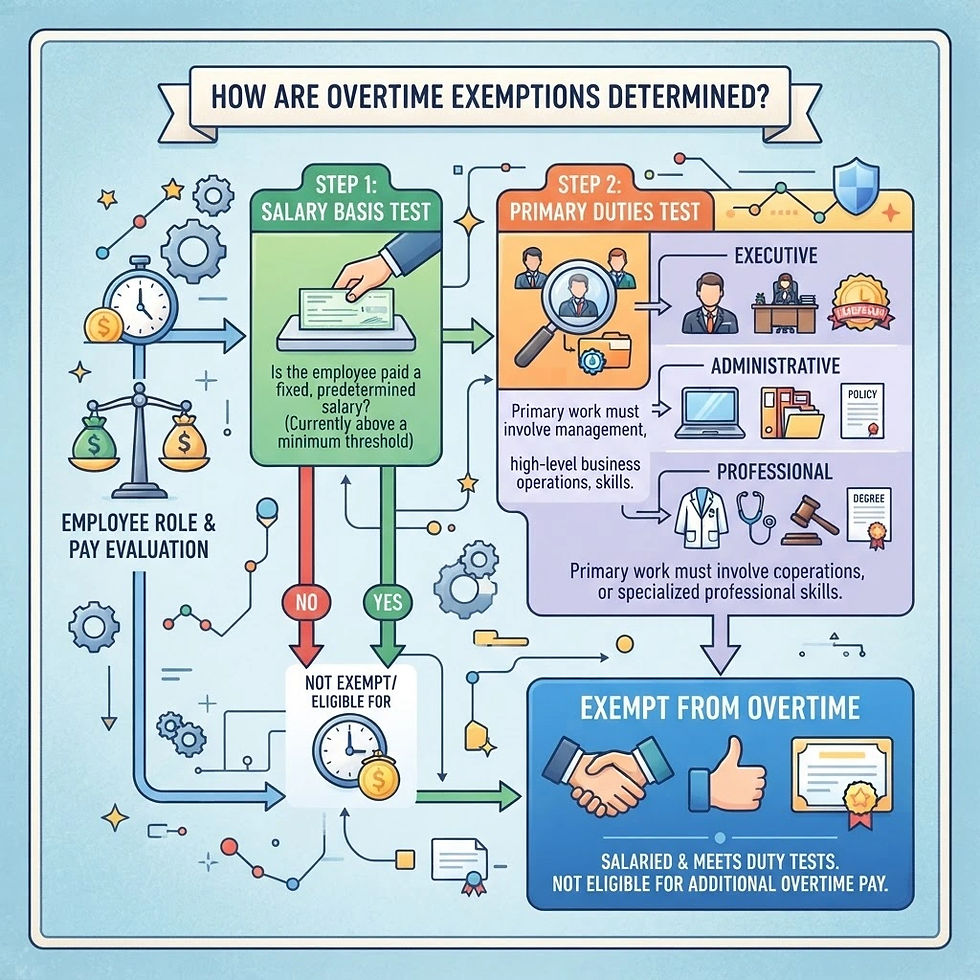
Before making an offer, confirm compensation, exempt or nonexempt classification, reporting relationships, work location, and any required background or reference checks. These details are easier to resolve before a candidate accepts than after the employee has started.
Compensation needs enough structure to be fair, competitive, and explainable. Startups do not need elaborate salary bands on day one, but they do need a disciplined approach to setting pay. If two employees perform similar work with similar experience, leaders should be able to explain any meaningful difference in compensation.
Make Onboarding a Business Process
Onboarding is often treated as paperwork, a laptop, and a welcome lunch. Those items matter, but they do not help a new employee understand how to succeed. The first 90 days should connect the person to the company’s priorities, their manager, and the standards that shape daily decisions.
Before day one, complete required forms, prepare equipment and system access, communicate the schedule, and assign a clear point of contact. A disorganized first day signals that the company is not ready for the employee it worked hard to recruit.
During the first weeks, managers should explain what success looks like in concrete terms. Set early priorities, schedule regular check-ins, provide relevant training, and introduce the employee to the people who will affect their work. New hires should not have to guess how decisions are made or where to go for support.
At 30, 60, and 90 days, review progress against agreed expectations. This gives the manager an opportunity to correct course early and gives the employee a fair understanding of performance. It also creates documentation that becomes valuable if concerns emerge later.
Equip Managers Before They Become a Risk Point
As a startup grows, managers become the most important part of the people operation. They are the people employees turn to when workloads feel unreasonable, conflicts arise, performance drops, or a policy does not seem to fit a real-world situation.
Many first-time managers were promoted because they were strong individual contributors. That does not automatically prepare them to give feedback, document performance concerns, recognize leave issues, or handle employee complaints. Leaving them to figure it out alone can create inconsistent treatment and unnecessary exposure.
Give managers practical tools, not a binder they will never open. They should know how to run one-on-ones, set measurable expectations, provide feedback, document key conversations, and escalate sensitive issues before they become crises.
A simple management rhythm works well for many smaller businesses: regular one-on-ones, quarterly goal conversations, timely feedback, and documented coaching when performance is not meeting expectations. The exact cadence depends on the work, but consistency matters more than a complicated review system.
When performance falls short, address it early. State the gap, explain the expected standard, identify the support available, set a timeline, and document the conversation. Waiting until frustration has built for months makes improvement less likely and termination decisions harder to manage.
Treat Compliance as an Operating Discipline
Compliance is not separate from people operations. It is built into hiring, payroll, scheduling, leave administration, classification, recordkeeping, investigations, and separations. Small businesses are especially vulnerable when compliance lives in a founder’s memory or gets addressed only after an employee raises a concern.
Pay practices deserve particular attention. Confirm that employees are classified correctly, overtime is calculated properly, time is tracked where required, and payroll deductions and paid leave practices align with the laws that apply to your business. Remote and multi-state work can add complexity quickly.
Employee relations concerns need a calm, prompt response. If someone reports harassment, discrimination, retaliation, or a serious workplace conflict, do not rely on an informal conversation alone. Gather facts, preserve relevant documentation, apply policies consistently, and determine whether an investigation is necessary.
Terminations require the same discipline. A difficult termination should never begin with a manager improvising in a conference room or on a video call. Review documentation, final-pay requirements, benefits implications, access removal, company property, and the communication plan before the meeting occurs.
Use Data That Helps Leaders Make Decisions
People data should answer business questions, not create reports for their own sake. For a growing startup, a small set of metrics can reveal where leadership attention is needed.
Track turnover by team and tenure, time to fill critical roles, new-hire retention, open positions, absenteeism patterns, and performance concerns. If turnover rises in one department, the issue may be compensation, workload, management capability, role clarity, or a hiring mismatch. The number identifies where to investigate; it does not provide the full answer.
Employee feedback can also be useful when leaders are prepared to act on what they hear. A short, focused survey or a set of structured listening conversations can surface concerns before they become resignations. Do not ask employees for input if the company has no intention of sharing themes or responding to legitimate issues.
Know When to Add Senior HR Support
There is a point when founders and operations leaders should no longer carry people decisions alone. That point may arrive after the first manager hire, a rapid growth period, a difficult employee relations matter, or the realization that the handbook and onboarding process have not kept pace with the company.
A full-time HR leader is not always the right first investment. Reviewing fractional HR cost can help leaders compare a dedicated senior HR partner with the cost and timing of building an in-house department. The value is not merely administrative coverage; it is experienced guidance on decisions that affect culture, risk, and growth.
For businesses in Minneapolis and across Minnesota, Wisconsin, and Iowa, the right partner can bring structure without forcing a corporate model onto a growing company. The work should fit your business stage, leadership style, and actual operational needs.
People operations works best when it is proactive. Put the right expectations, manager practices, and compliance safeguards in place while the company is still manageable, and growth becomes easier to support rather than harder to control.
Ready to build a stronger, more compliant business without the headaches? As a Minneapolis-based firm serving small businesses since 2003, HR Business Partners, Inc. provides the hands-on, strategic HR support you need. Schedule your free consultation today.